
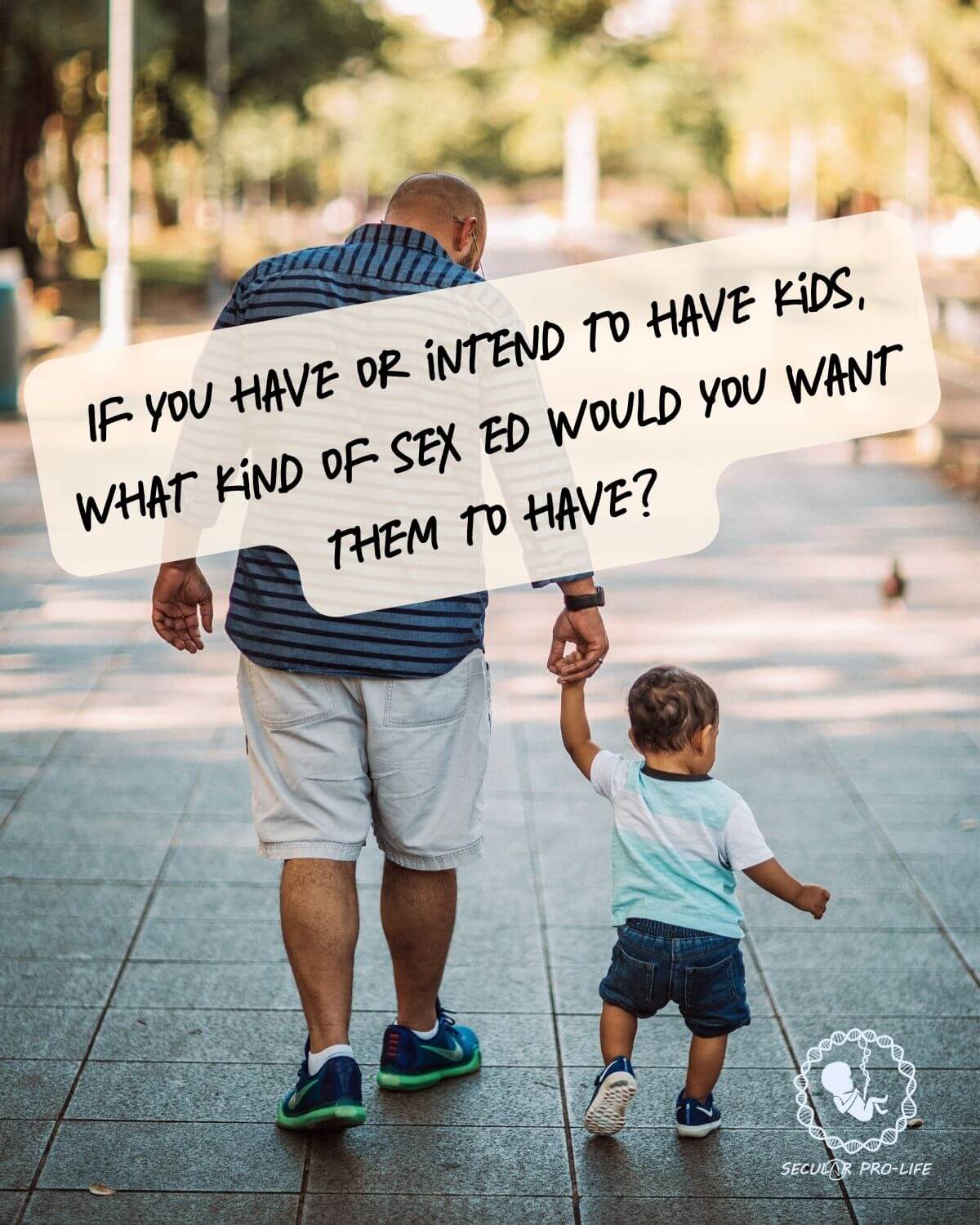

We asked, you answered: What kind of sex ed should kids have?
Sex education is a common topic in abortion debates. People of all faiths and none have opinions on safe sex, birth control, abstinence, and abortion. Parents also have to consider when and how to discuss these topics with their children. So SPL posed this question on X and Facebook:

We also included, “What age and what info?” Below are some selected answers:
Genie Dhooge-Prichard: I’ve raised my kids and want to say it’s so important they have honest and ongoing conversations with their parents/guardians. Kids talk about it amongst themselves at a very early age. It comes up in daycare, preschool, elementary, and with siblings/cousins/ family. I feel the most important thing they need is a trusted adult to talk to.
@DFS_Lawd: Age and cognitive appropriate with room to answer any specific curiosity because if you are old enough to ask the question, you are old enough for the answer.
Jamie McInerney: I told my sons if a girl has an abortion, that’s her choice. If she wants to keep the baby that is also her choice. Negative feelings about either of these is something to consider before getting involved. I told them if you are not ready to be a father or want children with the person you are dating, be careful. It’s important to either abstain 100% guarantee or to use protection, which is safe but not 100% guaranteed. I never ordered them, only advised. So far so good. One is single, no unwanted pregnancies. The other is married with three children. They are both pro-life, which I’m not. But nevertheless, so far so good.
Alexis Nicole Teresa: Internet security is a top priority. That’s most children’s first exposure unfortunately. I will be reading “Good Pictures, Bad Pictures” with my children when they are young.
Mary Szymanski: Comprehensive life affirming sex ed. Meaning basically, if it’s available access to information about sex, sexuality, relationships, sexual abuse/domestic violence, it shouldn’t be denied to them.
Info about sexual abuse should be available from preschool/kindergarten, so kids can report it appropriately and understand what is happening to them and know that what’s happening to them is wrong if CSA happened, so they don’t internalize the trauma.
Middle school is typical, maybe late elementary like 5th grade or so, for broader sex ed, and I don’t disagree with that timing given I was probably in 4th grade by the time I started ramming into things that were confusing to me, made me curious, yet all the adults refused me answers I… honestly kinda needed to make sense out of anything I was seeing. (Sadly, it was religious propaganda about sex being bad that was the stuff I was seeing in 4th grade. I wish I would’ve gotten more positive education around sex circa when I was that age).
@Ditch_Marentette: [Age eight.] The main reason is I have to teach them before they make any permanent mistakes. But I also don’t trust the institutions around me at all to teach them properly. So I have to beat them to the punch.
Virginia Marie: We do fertility awareness and birth physiology as is age appropriate, with an emphasis on sex being a responsibility not a pastime, and birth being an important event to prepare for but not be scare mongered about. Ideally they will wait until marriage for sex if they do want to marry, though obviously they will be their own decision makers once they are adults. The best I can do is give them biologically accurate information, confidence in the normalcy of their bodies, and enough self respect and social awareness to understand the importance of knowing when to say yes or no. And all of this helps them with reproductive health overall.
If you appreciate our work and would like to help, one of the most effective ways to do so is to become a monthly donor. You can also give a one-time donation here or volunteer with us here.