






















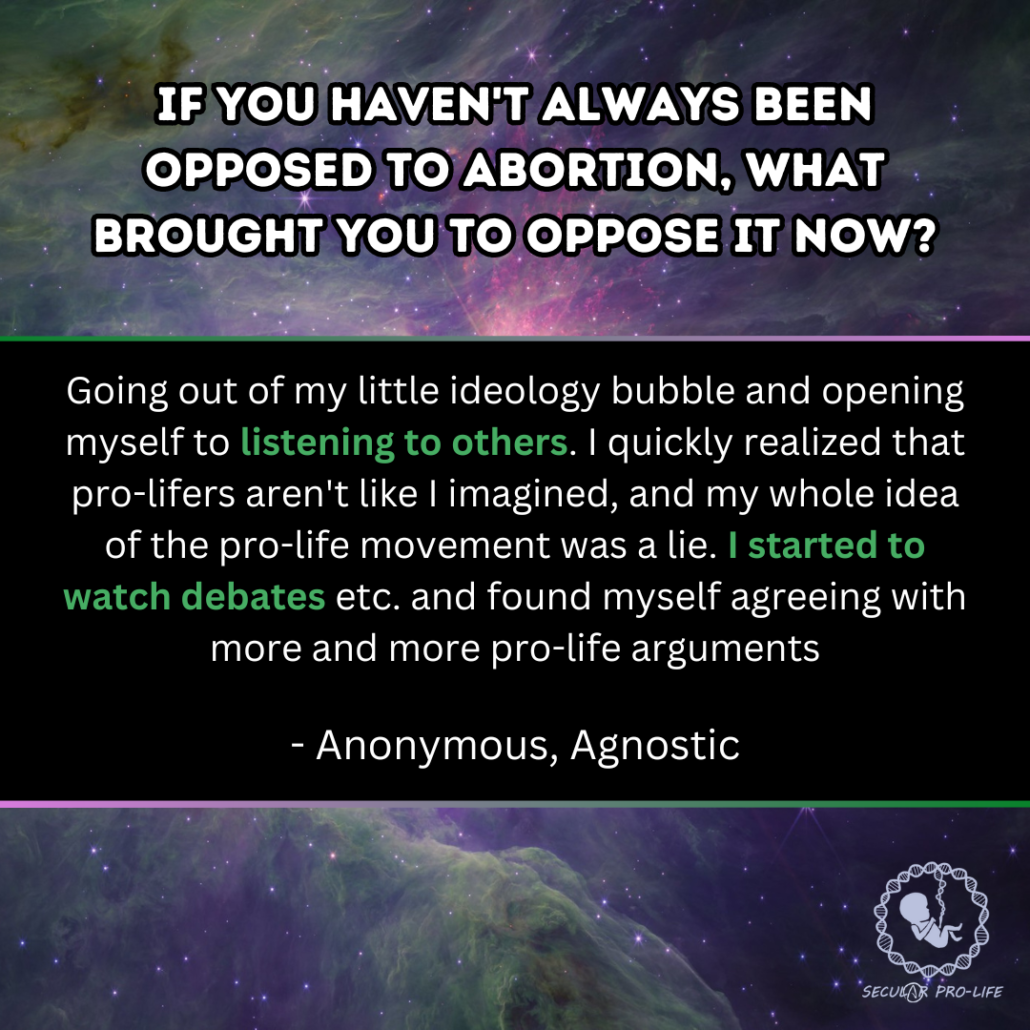









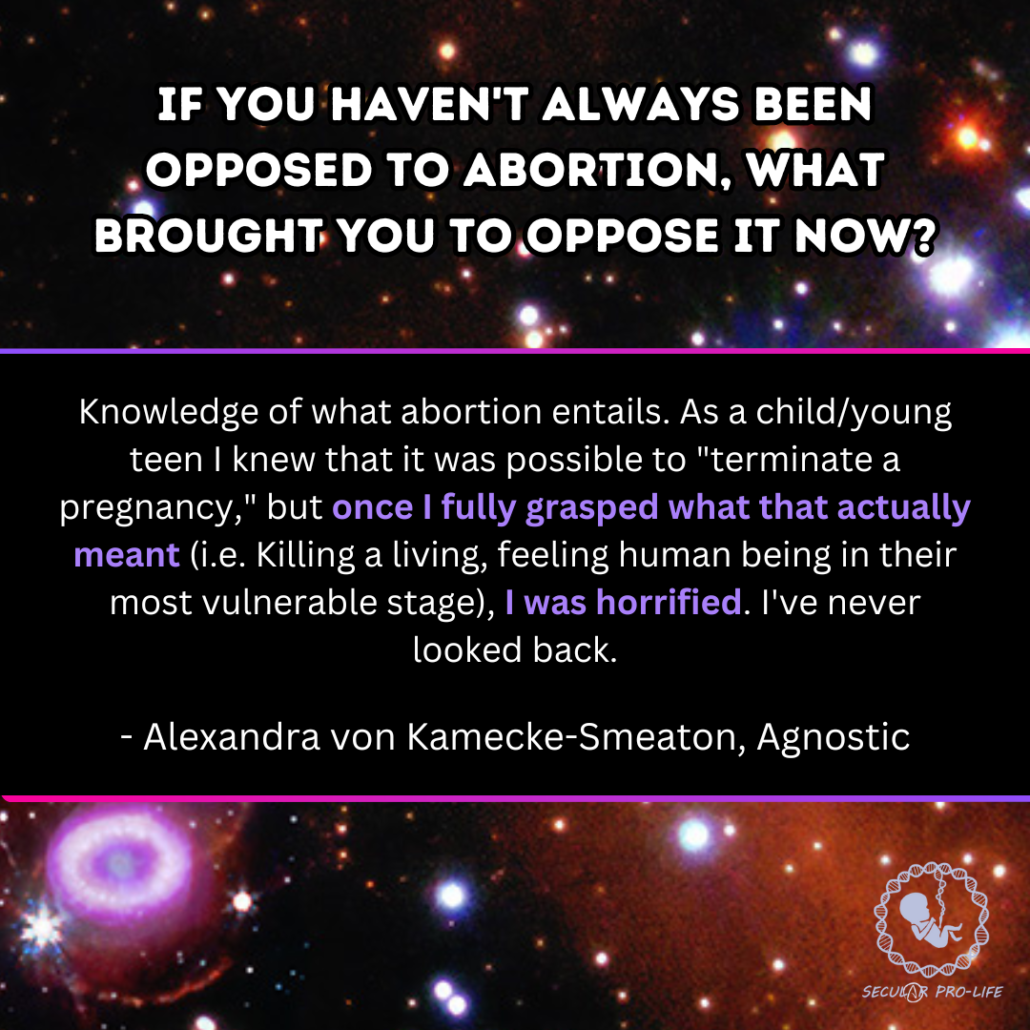












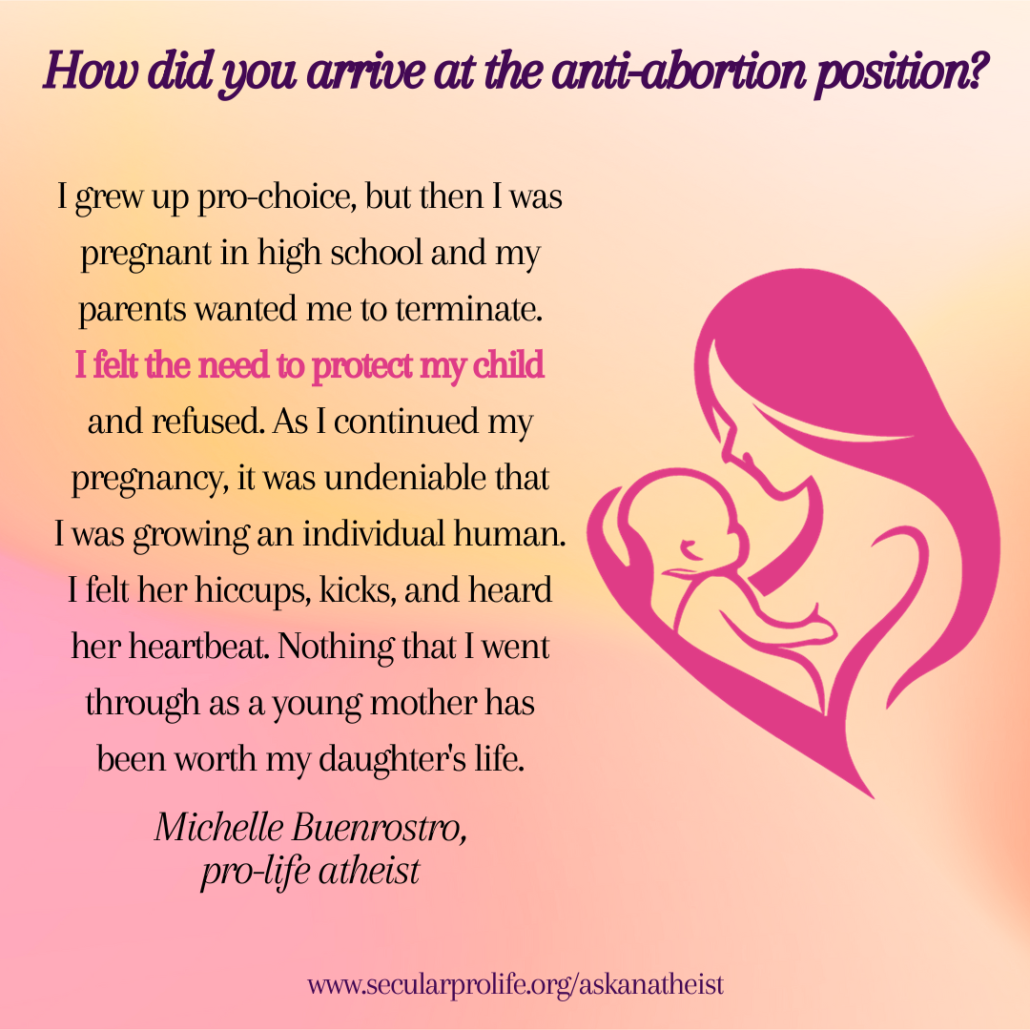

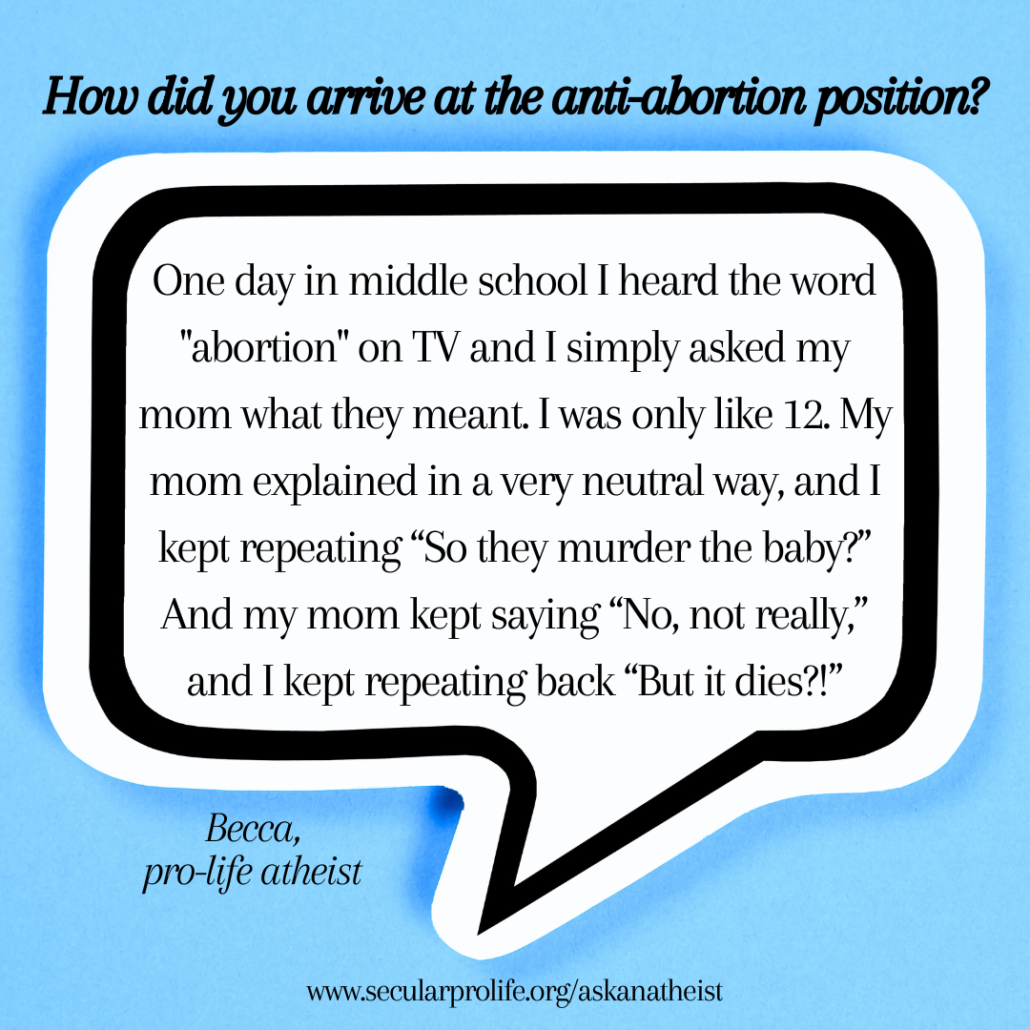


















It’s crucial that we demonstrate that anyone can–and everyone should–oppose abortion. Thanks to you, we are working to change minds, transform our culture, and protect our prenatal children. Every donation supports our ability to provide nonsectarian, nonpartisan arguments against abortion. Read more details here. Please donate today.
Confident, not combative: talking politics with friends
/in Dialogue strategy, Uncategorized /by Monica SnyderSPL has followers all over the world, but the majority of our supporters are in the United States. Tomorrow a lot of us are going to be at meals with extended family and friends we don’t see that often. And Thanksgiving isn’t too long after the midterm elections, fresh in people’s minds. Some people will avoid politics at all costs, and others will be ready to get in a fight. But there’s an option in between.
My friend Emily Davis recently interviewed me for her Evie Magazine essay, The Cost of Not Talking Politics With Friends. In the essay she talks about a lifelong friendship of hers where they stayed quiet on politics. She and her friend kept the silence and the peace, but that resulted in a “gaping hole in our communication” where they had more assumptions than information about each others’ perspectives. Peaceful silence has some disadvantages.
Emily decided she wanted a better approach, so she asked me how I build relationships with people who disagree on deeply held convictions (this can include abortion or any number of other topics). We talked for about an hour and she referenced my ideas heavily in her Evie article. Here’s the excerpt:
The more we practice the art of disagreeing well, the less intimidating disagreements are. They stop feeling like threats to relationships and start feeling like a chance for better understanding and stronger connection.
The above advice applies year-round. There are additional considerations about your timing, and I don’t recommend starting or necessarily engaging in difficult political conversations specifically during family holiday events. (For a lot more about that, check out Livestream Recap: Table Manners for Tough Topics.)
But I do recommend learning to lean into disagreement in productive and relationship-preserving ways. Big thanks to Emily for highlighting some of these themes for her own audience.
Honest, thoughtful conversations change more minds than shouting matches. Help us keep showing what that looks like. Become a monthly donor. You can also give a one-time donation here or volunteer with us here.
A Thanksgiving note from SPL
/in Uncategorized /by Herb GeraghtyHey All –
With Thanksgiving around the corner, I’ve been thinking about how grateful I am for the people who make Secular Pro-Life possible.
I’m thankful to Monica for her fearless leadership, to Kelsey for getting this whole thing started, and for the volunteers who contribute their time and talents every week to keep our programs going.
Most of all, I’m grateful for our community and the opportunity to do this work.
Before I found Secular Pro-Life, I wasn’t sure if there were any other people like me out there who cared about this issue like I did. Now, I get to work every day alongside fellow pro-life atheists (plus some theist allies) building the movement that will end abortion.
It means a lot to know that this work has a community behind it. Thanks for being a part of it.
I believe Secular Pro-Life fills a role that no other organization does. We’re connecting with audiences often overlooked by the broader pro-life movement and making the arguments that will reach them.
I want us to be able to do even more.
If you’re in a position to give this Giving Tuesday, I hope you’ll consider setting aside a gift for Secular Pro-Life. Your generosity will help us continue this important work and reach even more people in the year ahead.
Will you support Secular Pro-Life this Giving Tuesday, December 1?
One more thing
Every year, we get questions about how to handle abortion conversations at the holiday dinner table. To answer that question, Monica and I livestreamed Table Manners for Tough Topics, with practical advice for navigating disagreements about abortion with family and friends.
You can access the replay and recap here.
Have a Happy Thanksgiving,
Herb Geraghty
Secular Pro-Life
If you appreciate our work and would like to help, one of the most effective ways to do so is to become a monthly donor. You can also give a one-time donation here or volunteer with us here.
Adoption Stories: Anonymous – Adoptive Parent
/in Adoption & Foster Care, Interviews, Uncategorized, Your Stories /by Guest BloggerConversations about adoption are often missing the voices of people who have lived it. In our adoption stories series, adoptees, birth parents, adoptive parents, and their families share their journeys in their own words. This month, we welcome someone who wishes to remain anonymous.
Some responses have been lightly edited for clarity.
What are your experiences with adoption?
I adopted a child.
What do you think are the most common myths or misconceptions about adoption?
That adoptive parents only adopt because of infertility. We had biological children before deciding to adopt.
That birth parents were uncaring, unloving, or selfish. They realize that they are unable or unwilling to provide a child with what they need to thrive. Birth parents and extended birth families can be involved in a child’s life after adoption. There’s a difference between loving a child and being able to provide a safe and stable life.
What do you wish more people understood about adoption?
We adopted from foster care. Our kid’s parents never considered aborting them. Their birth parents had deep struggles, including mental illness, addiction, and childhood trauma. Separation is hard for the parents and the child. Adoption is an imperfect solution to a difficult situation.
In your opinion, what makes an adoption process ethical or unethical?
Birth parents need to be aware of the parenting resources available to them, and employees or students who are pregnant or parenting need to know their rights before making a decision. Not giving them this information is a form of coercion. Birth parents should always have the option to have a post-adoption contact agreement.
How do you see adoption portrayed in public discourse? Do you feel this is accurate?
Adoption seems to be portrayed as either entirely good or entirely bad, when it’s actually both. Public discourse lacks nuance. So often adoption is broken into domestic infant adoption, international adoption, and foster care adoption, but those categories are so broad. Sometimes it’s easier to talk to parents who adopted a newborn than a foster care adoptive parent who met their child after age 2.
Is there anything else you’d like to share about your perspective on adoption?
There’s a theory or philosophy commonly known as the biological imperative. It’s basically that people innately care for their families more than they care for others. There’s some evidence that this is true. Statistically, children raised by both birth parents, when it is safe to do so, have the best outcomes. This often underlies discussion even when it is not stated.
Any recommended resources for people who want to better understand adoption?
Lutheran social services and the state adoption website have been really helpful.
If you are interested in sharing your experiences with adoption, please complete this survey. If you’d like to learn how to effectively share your story, check out our free, self-paced Storytelling Symposium.
If you appreciate our work and would like to help, one of the most effective ways to do so is to become a monthly donor. You can also give a one time donation here or volunteer with us here.