

Recap: AAPLOG conference 2026
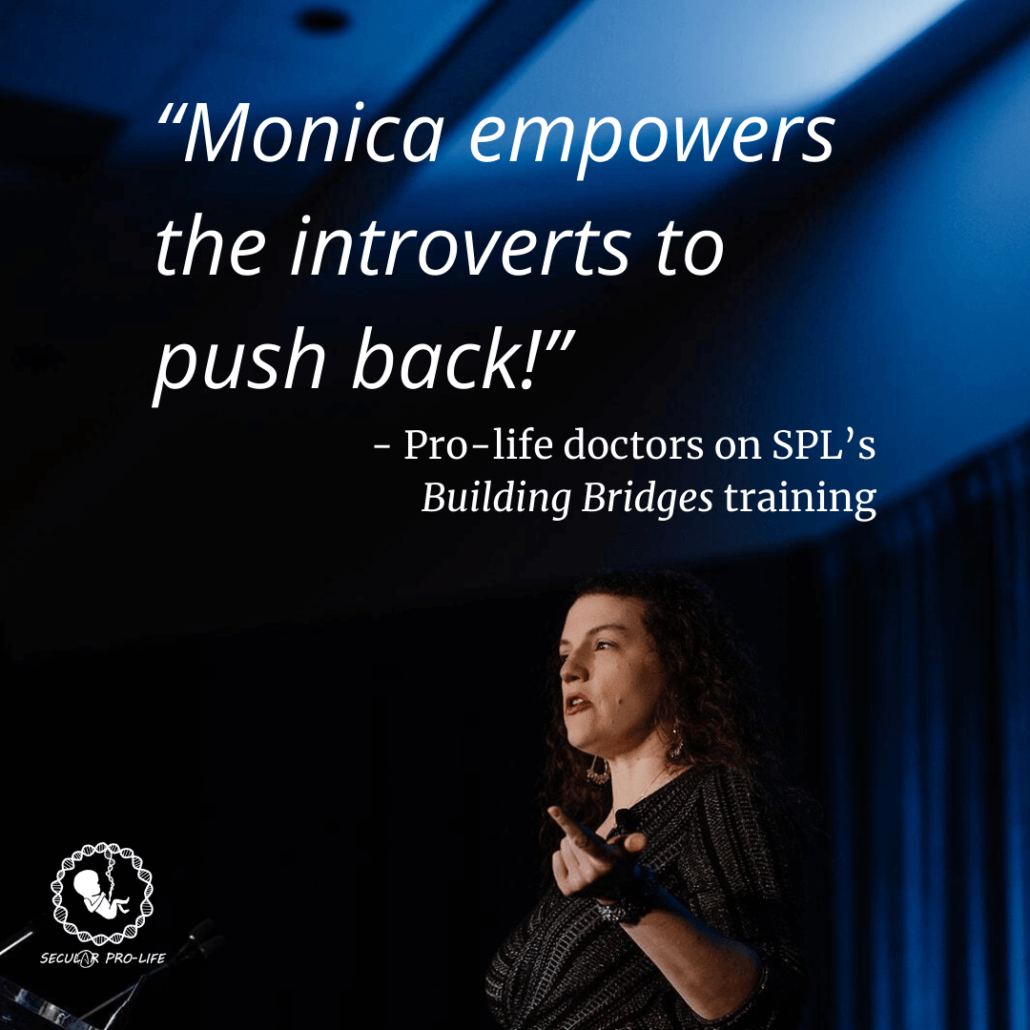
At the end of February, I keynoted the conference for the American Association of Pro-Life Obstetricians and Gynecologists (AAPLOG) in Seattle. I trained nearly 300 medical professionals on how to have more effective, persuasive conversations about abortion.
This work is core to Secular Pro-Life’s mission: advancing secular arguments against abortion but also training people with specific knowledge, experience, and cultural authority to do the same.

We built the presentation using direct input.
In the weeks leading up to the conference, we surveyed dozens of pro-life doctors, nurses, and clinicians about the challenges they face. Many described working in environments where most colleagues are pro-choice, where speaking up feels risky, and where they want to advocate for patients but aren’t sure how.
(If you’re a pro-life medical professional, take our survey.)
We combined this survey data with years of SPL work, including interviews with:
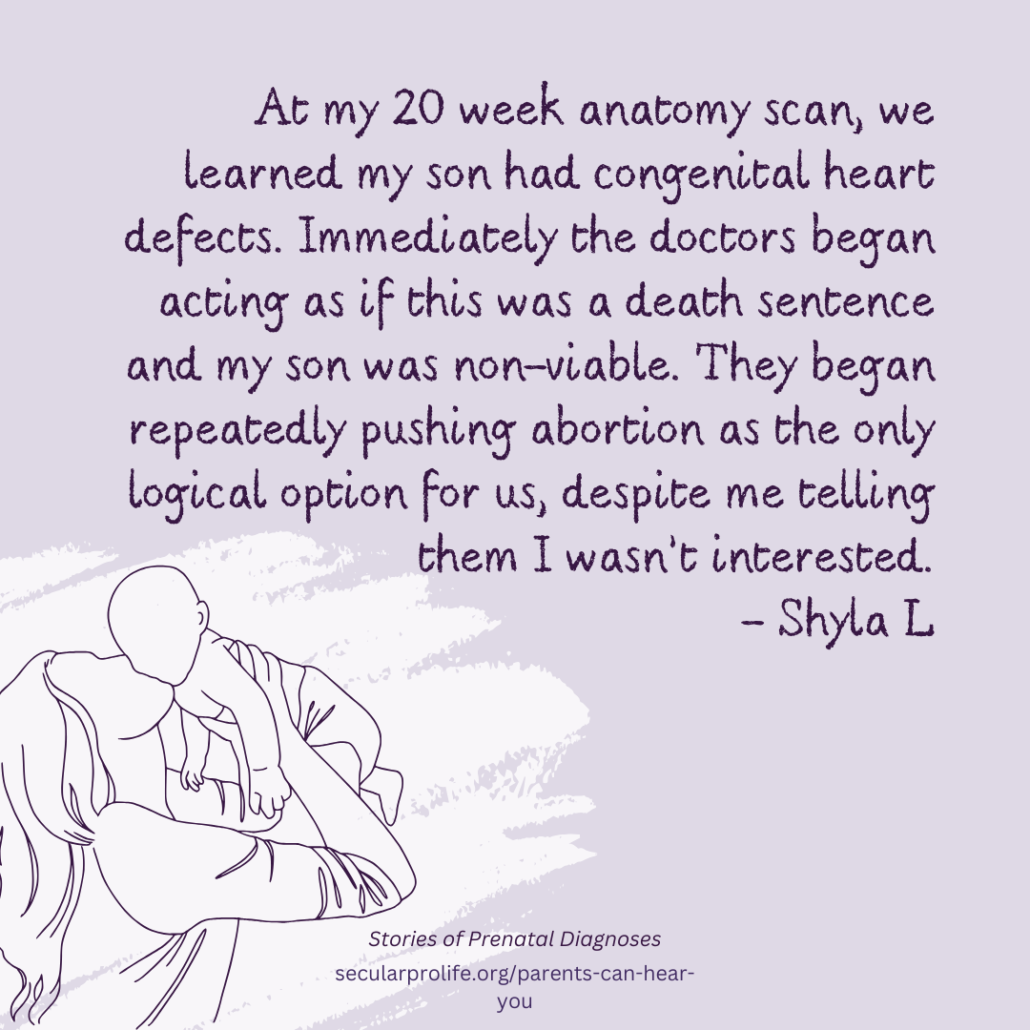
- parents who received adverse prenatal diagnoses,
- atheists and agnostics who moved from pro-choice to pro-life, and
- patients whose medical care was deeply impacted by their doctor’s views on prenatal life.
I ran two virtual practice sessions with SPL volunteers who have medical backgrounds. They gave feedback that helped me sharpen the content so it would be accessible and useful to my target audience.
The training focused on practical tools: how to set the tone, listen attentively, find common ground, and have conversations that encourage people to think more about the issue.
I emboldened doctors and nurses with actionable advice.
AAPLOG’s conference is a medical conference, which means the presentations tend to be expert-led and data-driven, citations included. They also tend to have an academic, structured cadence, similar to a college lecture. This backdrop sets me up to stand out, because my style is informal, fast paced, and high energy.
Still, once I got on stage, the response in the room was stronger than I expected.
I’ve given versions of this talk before, so I have a sense for when people will laugh or clap. But AAPLOG’s attendees were more enthusiastic than usual. For sections where the audience usually responds with vigorous head nodding, this group was bursting into applause.
I love that, but the thing is, I have a strict 45 minute time limit, and I talk a lot. They were slowing me down, so eventually I said: “You guys, I appreciate that, but I’m going to run out of time. You gotta stop. I know you think I’m awesome, it’s fine.” They laughed, but not long after they applauded again, and I had to (jokingly) reprimand them. “You guys, we already talked about this.” I did still manage to finish (pretty much) on time.
We give out feedback surveys for all presentatinos, and the written feedback confirmed their appreciation was more than just a moment. Attendees described the training as “highly practical,” “a breath of fresh air” that “empowers the introverts.” One physician reported
You reminded me to be bold in my knowledge, knowing my “white coat” has weight.
Physician encouraged by SPL’s Building Bridges training
At the end of the training, my final slide had a QR code to sign up for our newsletter. I told attendees this would be the best way to hear about more SPL content and projects. Within 5 minutes, we had 119 medical professionals sign up.
People shared their stories of courage and hope.
Special thanks to SPL volunteer Gail Connell, who managed our table morning-to-evening both days.
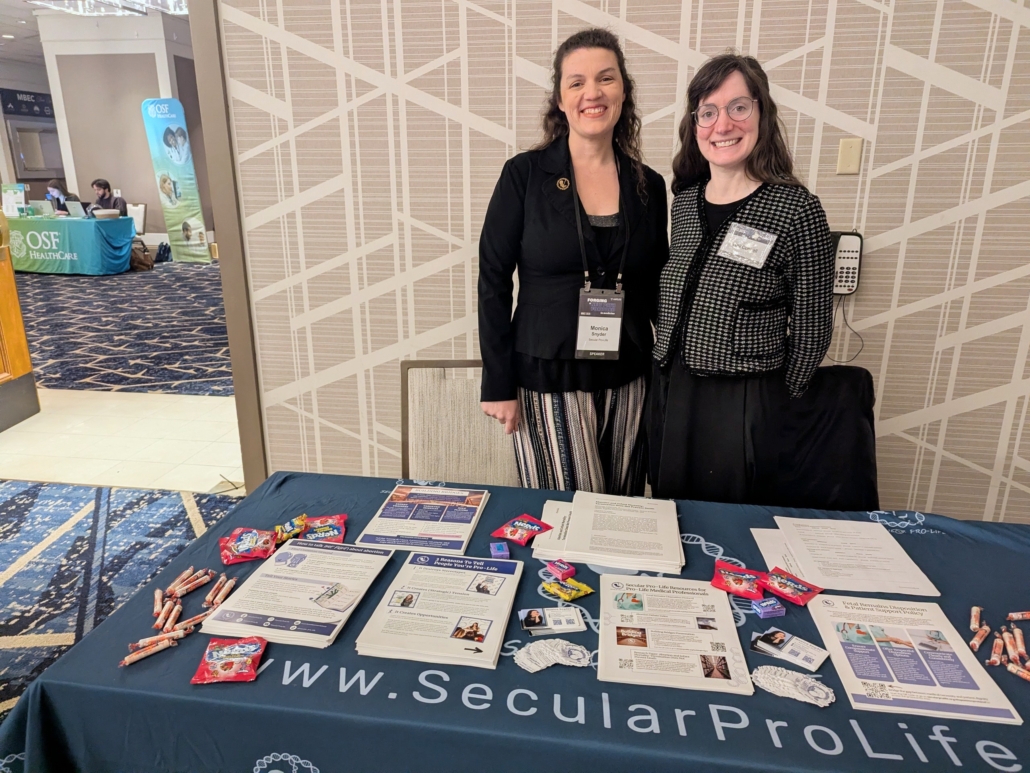
Whenever I speak at conferences, I request a spot as early in the day as possible, and then I tell the audience I will be at the SPL table the rest of the day if they have questions. They always do, and this means the conversations the rest of the day are more focused and in depth.
AAPLOG was no different. After my keynote, we had people at the SPL table incessantly the rest of the day. They shared their stories of trying to speak up in the medical community, sometimes successfully, sometimes not. I’m inspired by individual people who aren’t sure but are going to try anyway. It takes courage. And we at SPL are honored to equip pro-lifers to do this foundational work.
A particular moment at our table stuck with me.
A woman told me that a blog post we published on hyperemesis gravidarum (severe pregnancy sickness) changed her life. After struggling through two difficult pregnancies she wasn’t sure she could go through it again. Through our article, she found and contacted a doctor who is now helping her. She now has hope she may yet have another baby.
This is the difference between our work online and getting out to see people in person. We had published that blog post February 2025 (a year prior) and had no idea that it had helped people that directly. If I hadn’t gotten to see this woman in person, I probably still wouldn’t know. Doing most of our work online can sometimes feel like screaming into a hurricane. Spending a few days in person with so many laboring alongside us in this work is very grounding, for them and us.
By the way, if you can think of how some nonprofit has helped you, reach out and tell them. That feedback can be the emotional core that keeps driving us.
We equipped clinicians with practical tools.
We had created tabling materials specifically for this conference, including:
- This flyer explaining SPL’s suggested hospital protocol for supporting patients going through miscarriage
- Copies of the protocol itself
- Copies of my recent publication in the journal New Bioethics: “Abortion and Infant Mortality: Termination Does Not Prevent Death“
- Materials to supplement my training session (3 reasons to tell people you’re pro-life, How to talk (not fight) about abortion, Overview of Bridges Intensive training)

People seemed especially interested in the fetal remains protocol. Several shared stories of their own experiences with either miscarriage or caring for patients going through miscarriage. The consistent theme of these stories was a lack of resources and education to help people. It continues to mystify me how poorly our society, specifically including our hospital systems, supports women going through miscarriage, considering how common miscarriage is.
With each conversation I asked people to (1) contact their hospitals, OB offices, or other medical community connections, (2) ask what protocols they have for the emotional and psychological support of people going through miscarriage as well as for respectful disposition of fetal remains, and (3) if the institution doesn’t have protocols, ask to set up a meeting and discuss closing that gap. Our suggested protocol can serve as a basis for a conversation.
This kind of work bridges the gap between medical necessity and patient dignity in a way that clinicians can actually implement.
By the end of the conference, at least half a dozen people had separately told me they hoped I’d come back and speak again next year. And this expansion is usually how it goes – our trainings aren’t one-off events; they’re seeds to building a network of people who feel ready to act.
We activated non-traditional pro-lifers.
This trip was also a chance to work toward a part of SPL’s mission that’s dear to me: creating space for non-traditional pro-lifers.
I did have conference attendees let me know where they sometimes felt out of place in the larger movement (including nurses who were Democrats, doctors who were atheists, and similar). When an organization makes sure SPL has a visible presence at their event, they’re signaling to “non-trads” that we’re all in this together.
SPL also plugs people in directly. In this case, our volunteer Gail Connell (a Seattle-based pro-life agnostic) was incredibly helpful to me all weekend. She picked me up from the airport, represented SPL at our table all day both days, and even very thoughtfully texted me relevant notes about her conversations so I could engage the same attendees later. She helped pass out training materials, took pictures of me presenting, and – most importantly – brought me Diet Coke to keep in my hotel room. That’s the way to my heart, for sure.
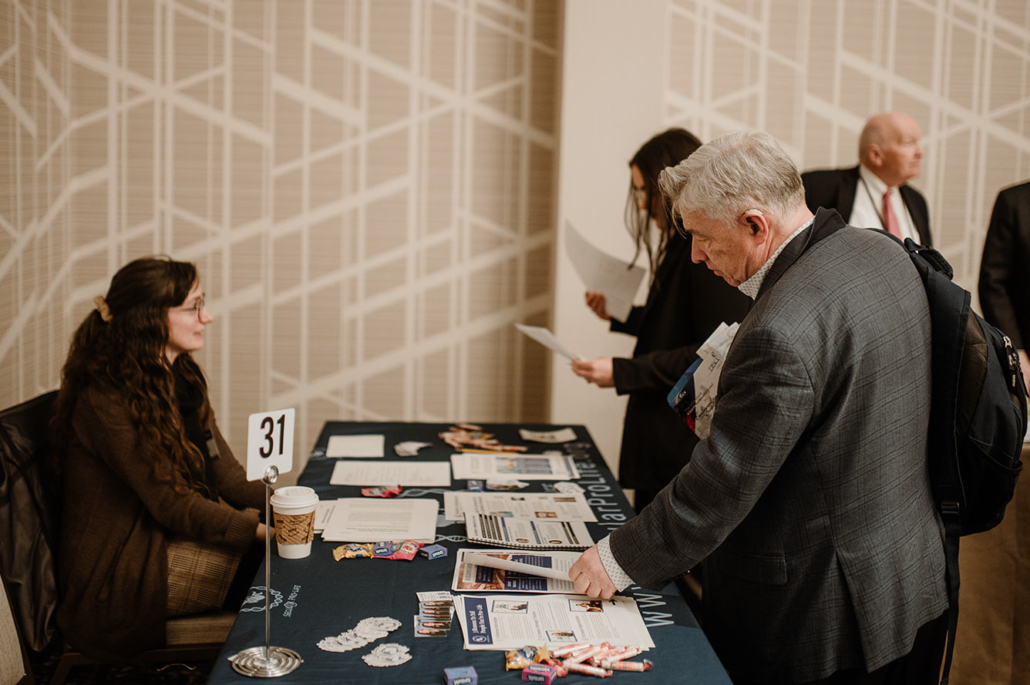
Gail was such an asset to me as I do this work. Conferences can be exhausting, and it was much easier having her with me.
Part of SPL’s mission is creating real opportunities for atheists, agnostics, and non-traditional pro-lifers to do anti-abortion work. And Gail did that in a big way. We’re ever grateful for our volunteers.
Thank you for supporting this crucial work.
Pro-life medical professionals have a unique role. They care for both patients. They see the realities of pregnancy (and abortion) up close. And they carry a kind of cultural authority most of us don’t.
It’s crucial that they’re able to speak up. When I can equip them with tools to communicate clearly, confidently, and persuasively, that effect goes beyond my single training. It affects patient care, workplace culture, and, eventually, entire institutions.
Travel and print materials for this trip to amounted to less than $600. Help me help them keep gaining ground for the long-term pro-life future. Donate today.
Thanks for being in our corner.
Monica
If you’re a pro-life doctor and want to make sure patients can find you, contact AAPLOG about getting added to either their pro-life directory, or their non-public list of contact info they can share with patients who reach out to them.